

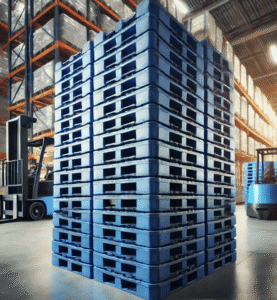
Plastic pallets are revolutionizing supply chains across industries—from food and beverage to pharmaceuticals and e-commerce. Known for their durability, hygiene, reusability, and eco-friendliness, these pallets are an ideal investment for companies focused on logistics efficiency and sustainability. But for many small to mid-sized businesses, the upfront cost can be significant. That’s where financing options—particularly bank loans—come into play. 🏦
Whether you’re a warehouse manager, a retail distributor, or a logistics entrepreneur looking to streamline operations, understanding how to secure a bank loan to purchase plastic pallets can be the key to scaling your business smartly.
This guide walks you through every step: from evaluating your needs and choosing the right loan product to preparing your documents and boosting your creditworthiness. ✅
Why Buy Plastic Pallets? 📦
Before diving into financing, let’s first understand why investing in plastic pallets makes good business sense.
1. Durability and Longevity
Plastic pallets outlast wooden counterparts by up to 10x, reducing long-term replacement costs. They resist moisture, pests, and chemical contamination—making them ideal for controlled environments like pharmaceuticals and food storage.
2. Cost-Effectiveness Over Time
Though the initial cost is higher, their total cost of ownership is lower. Reusable plastic pallets mean fewer replacements, fewer repairs, and lower shipping weight, which can reduce fuel costs.
3. Compliance and Hygiene
Plastic pallets meet FDA, USDA, and ISPM 15 standards, which are essential for global shipping and food-grade materials. They’re also easier to clean and sanitize, reducing contamination risks. Learn more about ISPM 15 compliance
4. Sustainability
Most plastic pallets are made from 100% recycled plastic and are recyclable at end-of-life—qualifying some buyers for green business incentives. 🌱
Step-by-Step Guide to Getting a Bank Loan for Plastic Pallets 🏁
Step 1: Determine Your Business Needs
Start by assessing how many pallets you need, their specifications (rackable, nestable, stackable), and cost per unit. This will help define your total funding requirement.
📌 Example: If each pallet costs $25 and you need 1,000 pallets, that’s a $25,000 loan need—not including shipping or storage.
Create a simple cost breakdown including:
-
Cost per pallet
-
Quantity needed
-
Freight/shipping costs
-
Additional tools or accessories (pallet jacks, wrapping machines)
-
Contingency buffer (usually 10%)
This shows lenders you’ve done your homework and understand the total capital outlay.
Step 2: Decide What Type of Loan You Need
Bank loans aren’t one-size-fits-all. Consider these options based on how much you need and how quickly you’ll repay:
1. Term Loan
A lump-sum loan paid over a fixed term with a set interest rate. Ideal for pallet purchases over $10,000.
✅ Pros: Predictable payments
⛔ Cons: Stricter qualification and slower approval
2. SBA Loan
Small Business Administration-backed loans offer favorable terms and lower interest rates. The SBA 7(a) loan is commonly used for equipment or inventory.
✅ Pros: Long repayment terms, lower rates
⛔ Cons: Longer application process, extensive documentation
3. Business Line of Credit
A revolving line where you borrow only what you need, then pay interest on what you use.
✅ Pros: Flexibility
⛔ Cons: Can be harder to qualify for startups
4. Equipment Financing
Some banks categorize pallets under business assets, qualifying them for equipment financing, often with faster approvals.
✅ Pros: Lower down payment
⛔ Cons: May require the pallets as collateral
Step 3: Prepare Financial Documentation 📑
Banks want assurance that you can repay the loan. Having these documents in order will fast-track the approval process:
-
Business Plan (include purpose of pallet investment)
-
Balance Sheets and Income Statements (last 2 years)
-
Cash Flow Projections
-
Tax Returns (business and sometimes personal, last 2 years)
-
Bank Statements
-
Vendor Quotes or Invoices for the pallets
📌 Bonus tip: Include a section in your business plan on how plastic pallets will reduce operational costs and environmental impact.
Step 4: Check and Improve Your Creditworthiness
Business and personal credit scores play a role in loan approvals. Use resources like AnnualCreditReport.com to check your score for free.
Aim for:
-
Personal credit score of at least 680
-
Business credit score (Paydex score) of 75+
Ways to boost credit quickly:
-
Pay down high-interest debts
-
Dispute incorrect report items
-
Avoid taking on new credit lines before applying
Step 5: Approach the Right Lenders 🏛️
Once your documents and credit are in order, research and compare banks that offer small business loans or equipment financing. Some options include:
-
Traditional Banks (Wells Fargo, Chase, Bank of America)
-
Community Banks & Credit Unions (often more flexible)
-
Online Lenders (BlueVine, Fundbox, Kabbage)
-
SBA-Approved Lenders (Search SBA lenders here)
Ask each lender:
-
What are your interest rates and terms for inventory or equipment loans?
-
What is the turnaround time for approval and funding?
-
Do you require collateral for loans under $50,000?
-
Are there any prepayment penalties?
Use this data to compare offers and negotiate better terms.
Step 6: Apply and Follow Up
When submitting your application:
-
Double-check for accuracy and completeness
-
Attach vendor quotes for plastic pallets
-
Show cost savings from reusable pallets in your projections
-
Be prepared to answer questions about your logistics, storage, and return-on-investment expectations
Most banks take 2–5 business days for initial review and may request additional information. Follow up politely and regularly to show your commitment.
Step 7: Use Funds Strategically 💸
Once approved and funded:
-
Purchase the pallets per your original quotes.
-
Track the use and movement of pallets for ROI analysis.
-
Document any savings in freight, damage, or compliance fines.
You can even use this data to justify future expansion loans, especially if your investment improves efficiency metrics like shipment time, product safety, and shrinkage.
Additional Financing Alternatives
If a bank loan doesn’t go through, here are additional avenues:
-
Vendor Financing: Some plastic pallet manufacturers offer payment plans or leasing options.
-
Business Grants: Grants.gov lists federal grants—some of which support green or sustainable supply chain upgrades.
-
Crowdfunding/Investors: Angel investors might fund logistics improvements for revenue-sharing deals.
-
Equipment Leasing Companies: These firms let you rent pallets, with an option to buy later.
Mistakes to Avoid ❌
-
Applying without a plan: Lenders want purpose-driven borrowers.
-
Borrowing too much or too little: Overborrowing can hurt cash flow; underborrowing may cause delays.
-
Ignoring your credit score: It’s one of the top decision-making factors.
-
Neglecting hidden fees: Watch for origination fees, application charges, or early repayment penalties.
Final Thoughts: Smart Investment, Smart Financing 💼📦
To buy plastic pallets isn’t just a purchase—it’s an operational upgrade. These sturdy, sustainable platforms serve as the backbone of efficient logistics and warehouse systems. And like any great business tool, they require a thoughtful financial strategy.
By understanding your options, organizing your paperwork, and choosing the right financing path, you can turn a potential expense into a strategic investment. With plastic pallets, you’re not just stacking products—you’re stacking success. 🚀
If you’re ready to modernize your shipping process, reduce long-term costs, and improve sustainability, securing a bank loan to buy plastic pallets might just be the smartest move you make this year.
Resources: