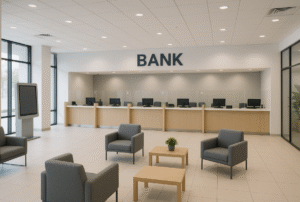
When H2O Means H2-Oh No: How Water Damage Can Destroy a Bank

Bank News for Water damage

Banks are pillars of financial stability. But like any physical institution, they are vulnerable to environmental threats — including water. Whether due to flooding, burst pipes, hurricanes, or poor infrastructure, water damage can quietly undermine a bank’s operations, finances, reputation, and regulatory standing. In this article, we examine how water damage can bring a bank to its knees, what the warning signs are, and how financial institutions can prepare for this surprisingly potent threat. 💧

When most people think of risks to banks, they picture credit losses, cyberattacks, or economic downturns. Rarely does water — something so common in daily life — register as a potential existential threat to a bank’s stability. And yet, water in the wrong place can destroy critical systems, wreck vital documents, flood vaults, damage data centers, and force operational shutdowns. Over time, these effects cascade: a short outage turns into reputational damage; financial losses erode capital buffers; regulators get involved; and confidence among depositors and counterparties erodes.

In an era of climate change, rising flood risks, heavier rainfall, and unpredictable weather patterns, the threat from water is growing. Banks must treat water not just as a maintenance issue, but as a material risk. This article explores the multiple pathways through which water damage can cripple a bank, and suggests steps to guard against it.

The Many Pathways of Destruction

Physical Damage to Facilities and Infrastructure

The most obvious route by which water can wreck a bank is through direct physical damage. When a branch or headquarters floods — whether from heavy rain, river overflow, broken infrastructure, or plumbing failure — it can damage walls, floors, ceilings, and structural components. Electrical systems short out, wiring corrodes, HVAC systems fail, and sensitive equipment like servers, ATMs, safes, and vaults are compromised.

Suppose a bank’s data center or server room is inundated with water. The damage to hardware, the loss of backups, and the interruption to critical services can cascade quickly. Restoring operations could cost millions in replacement equipment, remediation, and downtime.

Even partial damage can trigger huge costs: drying, mold remediation, replacing flooring, replacing ceilings, restoring climate control systems, and inspecting structural integrity add up fast.

Damage to Assets, Documents, and Vaults

Banks hold large volumes of physical assets — bonds, certificates, cash, deeds, client files, historical documents, backup tapes, etc. If these are stored in low-lying or basement vaults or poorly sealed storage rooms, water intrusion can ruin them. Imagine critical legal documents, mortgage files, or title deeds soaked, illegible, or mold-inflicted. Reconstructing them would be a nightmare.

Cash stored in vaults can be damaged (paper and coins alike), requiring costly note replacement or handling. Precious metals or safety deposit boxes could be compromised. Client trust is at risk if documents or valuables are lost or degraded.

Disruption to Operations and Business Continuity

Beyond physical destruction, water damage disrupts operations. A branch might be forced to close for days or weeks, preventing tellers from serving customers. Payment processing, loan servicing, and clearing operations might slow or halt if systems or people can’t access their offices or data systems.

A bank without robust disaster recovery plans may struggle to reroute operations, move staff, or temporarily lease alternative space. If branch closures are widespread (e.g. after a major flood), the operational strain becomes a systemic stress.

Regulatory, Legal, and Compliance Fallout

Banks operate under heavy regulation — they must adhere to capital rules, reporting requirements, safety and soundness guidelines, and consumer protection laws. If a water incident leads to data loss, regulatory non-compliance (e.g. inability to provide records), or failure to meet liquidity norms, regulators could impose fines, sanctions, or remedial obligations.

Moreover, clients whose funds or documents were damaged might bring lawsuits, seeking compensation for losses or negligence. Insurance may not fully cover reputational harm, data breach, or consequential losses.

Liquidity & Capital Erosion

The financial cost of recovery, repairs, legal liabilities, and operational inefficiency can eat at a bank’s capital reserves. If losses are unexpected, they may erode the cushion against loan losses or credit risk. In extreme cases, a severe water event could push a lesser bank into insolvent territory. Even more stable banks could see bond ratings downgraded or funding costs rise.

Reputational Damage & Loss of Confidence

Trust is a cornerstone of banking. If customers, counterparties, or the market sees that a bank couldn’t protect its premises, assets, or systems from water damage, confidence erodes. Depositors might move their accounts; corporate clients might shift business elsewhere; counterparties might reduce exposure. That loss of confidence can amplify financial stress.

Climate Risk, Flood Exposure, and Credit Risk

Water damage risk is increasingly tied to climate change. More intense rainfall, rising river levels, storm surges, and coastal flooding make banks more vulnerable. Financial institutions often hold mortgages or loans in areas with flood risk. If many borrowers are in flood-prone zones, the collateral securing those loans may lose value, or properties become uninhabitable. That weakens creditworthiness and introduces cascading risks to the bank’s loan book.

Banks are beginning to price flood risk more explicitly into their lending decisions and loss models, but many remain underexposed. Federal Reserve Bank of Richmond+1 Some studies show that only a small portion of housing loan portfolios are currently exposed to severe flood risk, but that proportion is expected to rise. Nationalbanken

One academic paper finds that banks with high exposure to flood risk underperform in terms of returns, suggesting that markets do penalize those vulnerabilities (i.e., flood risk is not fully priced in). SSRN

While historical data suggests weather disasters have had relatively small direct effects on U.S. bank performance, those results may understate future risks in a changing climate. Federal Reserve Bank of New York

Warning Signs and Risk Factors

  • Branch or office located in flood plain, river valley, coastal area, or near levees

  • Basement or ground-floor data centers, vaults, or storage rooms with poor waterproofing

  • Poor drainage systems, aging infrastructure, outdated plumbing

  • Lack of redundancy or backup systems in remote locations

  • Insufficient disaster recovery and business continuity planning

  • Weak insurance coverage or ambiguous policy exclusions for water damage

  • High concentration of lending in regions with rising flood or storm risk

  • Historical incidents of interior leaks, roof failures, or plumbing collapses

Mitigation Strategies & Best Practices

1. Risk Assessment and Mapping

Banks should map their geographic exposures, branch locations, and infrastructure risk to flooding and water intrusion. Use flood zone data, climate models, and historical rainfall patterns. Overlay those risks with critical systems, data centers, vaults, and storage rooms to identify the most vulnerable assets.

2. Infrastructure Hardening

Upgrade facilities with waterproofing, raised flooring, flood barriers, storm-resistant windows, and drainage. Ensure that electrical and network infrastructure is mounted above flood levels. Use moisture sensors, backup sump pumps, and water-tight doors and seals. Regular inspections and maintenance of plumbing, roof, and drainage are essential.

3. Redundancy and Backup

Avoid single points of failure. Use offsite backup data centers in geographically diverse zones. Employ cloud-based replication and backups. Keep duplicated copies of critical documents stored in safe, water-resistant repositories.

4. Disaster Recovery & Business Continuity Planning

Have robust, tested plans in place to shift operations in the event of a physical facility shutdown. This includes alternative branch locations, remote working capabilities, prearranged power and network access, and staff relocation plans. Training and regular drills help ensure readiness. Community banks, in particular, will benefit from such planning. Independent Banker

5. Insurance & Financial Reserves

Ensure comprehensive insurance policies that explicitly cover flood and water damage, including coverage for business interruption, data restoration, and client damages. Understand exclusions and policy limits. Maintain capital reserves for unexpected recovery costs and legal liabilities.

6. Climate Risk Integration

Incorporate climate risk into credit underwriting, loan pricing, capital planning, and stress testing. As physical risks rise, banks should adjust expected credit loss (ECL) models and parameter assumptions to account for potential increases in defaults from water-related losses. EY

7. Continuous Monitoring & Early Detection

Deploy sensors (moisture, water level, leak detectors) in vulnerable zones. Configure real-time alerts. Monitor weather forecasts, flood warnings, river gauges, and local storm systems. Early detection of leaks or rising water levels may prevent larger damage.

8. Stakeholder Communication & Reassurance

In the event of an incident, transparent and timely communication with clients, regulators, and the public is crucial. Reassure customers about the safety of their funds, steps being taken, and expected timelines for recovery.

Case Scenarios & Hypotheticals

Scenario A: Urban Flooding at a Regional Bank

A regional bank operates many branches along a river front. After a major storm, the river overflows, flooding several downtown branches. The basement-level server rooms for two branches and the main data aggregation hub are submerged. The bank must shift operations to backup systems in other cities, lease temporary branches, and restructure workflows. The damage repair costs are huge, data backups must be restored, legal notices must go out about potential loss of client documents. Simultaneously, some borrowers in flood zones default. The capital cushion erodes, regulators demand remediation, and client confidence weakens.

Scenario B: Burst Pipe in a Head Office

In the middle of a quiet weekend, an aging water main bursts in a bank’s headquarters building, flooding the ground floor, server rooms, and back offices. Core systems crash. Offices on upper floors are waterlogged, ceilings collapse. Employees can’t access systems, branches can’t get real-time connectivity to headquarters, loan approvals and wire transfers stall. The bank must scramble to relocate critical functions, pay for expensive restoration, and deal with regulatory reporting delays.

Each scenario underscores how water — typically not considered a “financial risk” — can evolve into a systemic threat to a bank’s viability.

Challenges & Limitations

  • Predicting flood and water damage risk is inherently uncertain and depends on climate projections, infrastructure changes, and extreme weather frequency.

  • Insurance policies may exclude certain water damage events or impose high deductibles.

  • Upgrading legacy facilities can be costly and operationally disruptive.

  • Smaller community banks often lack the resources and in-house expertise to conduct full climate and infrastructure risk assessments.

  • Even with mitigation, residual risk remains. A truly extreme event may overwhelm barriers.

Conclusion

Water may seem benign, but in a banking context it is a force to be reckoned with. From flooding branches and vaults to crippling data systems and eroding capital, water damage can initiate a cascade of consequences that threaten a bank’s stability, reputation, and survival. As climate change intensifies, the risk from water damage— floods, storms, surges, and precipitation extremes — only increases.

Banks must elevate water damage from a facilities issue to a strategic, financial, and regulatory priority. That means mapping exposures, hardening infrastructure, building redundancy, integrating climate risk into models, planning continuity, and maintaining capital reserves and insurance. Only by proactively managing this threat can banks safeguard their operations, their customers, and their long-term viability.

As with any risk, the margin between “manageable event” and “catastrophic failure” can be narrow. But with foresight, preparation, and robust systems in place, banks stand a fighting chance against the relentless power of water. 🌊

How to Secure Bank Financing for Healthy Home Architecture in Dallas

Bank News for Healthy Home Architecture

Designing and building a “healthy home” — one that prioritizes air quality, energy efficiency, non-toxic materials, and occupant wellness — is a compelling architectural vision. But turning that vision into reality often requires substantial capital. If you’re working with or running a firm like Healthy Home Architecture Dallas, obtaining the right bank financing is a critical step. In this article, we’ll explore how to structure your financing approach, what lenders look for, how to prepare your proposal, and strategies to close the deal — along with recent trends and cautions from the banking world 😊.


Understanding the Landscape: What “Healthy Home” Means to Lenders

Before seeking financing, it’s vital to frame your “healthy home” design in language that resonates with lenders. Most bank underwriters think in terms of risk, return, collateral, and compliance — not bio-based materials or indoor air systems. So you must bridge the gap.

  • Emphasize cost savings: highlight reduced utility bills (heating, cooling, ventilation), lower maintenance, and longer material lifespan.

  • Translate wellness features into market differentiation: better resale value, higher demand, and premium pricing possibilities.

  • Show certifications or benchmarks (e.g. LEED, WELL, Passive House, or local healthy building standards) to give credibility.

  • Document performance metrics or modeling (energy models, air quality simulations) to provide data.

By doing this, you help reduce perceived risk in the eyes of lenders — because they’ll see future cash flow and resale value, not just upfront complexity.

Also be aware that banks are tightening underwriting in many sectors, and credit is more selective than before. For insight into banking trends, see American Banker (covering U.S. banking analyses) American Banker and Banking Dive (deep dives into bank strategy and regulation) Banking Dive. As banks reposition and consolidate, financing practices shift.


Step 1: Define Your Capital Strategy

There is no one-size-fits-all approach. But generally, you’ll choose among:

  1. Construction-to-permanent (or “build-to-perm”) loan
    You borrow funds to cover the construction phase, disbursed in draws as milestones are met, then convert to a traditional mortgage. This reduces the refinancing risk of having to requalify mid-project.

  2. Separate land acquisition loan + construction loan
    If you don’t yet own the land, you may first get a loan to acquire the lot, then a second loan for construction. But managing two lenders (or loan packages) can complicate approvals. Many lenders prefer a combined structure.

  3. Bridge or interim financing + long-term mortgage
    A short-term loan bridges you over until occupancy, after which you refinance into stable permanent financing.

  4. Cash equity + debt leverage
    To reduce risk, your firm or clients might commit a healthy equity portion. The more equity you bring, the stronger your negotiation position.

For projects in Dallas, you’ll also want to explore local banks or regional lenders familiar with Dallas real estate and climate. For example, Broadway Bank in Dallas offers commercial real estate and construction financing across phases (construction, stabilization, mini-perm, permanent) Broadway Bank. That local familiarity can reduce friction.


Step 2: Prepare a Bank-Grade Finance Package

To win over lenders, your application must read like a polished, low-risk investment. Here are key components:

A. Executive Summary & Project Narrative

Write the vision, schedule, design highlights (especially healthy building features), target market, competitive comparison, and why this project will succeed. Be concise and compelling.

B. Detailed Pro Forma & Cash Flow Projections

  • Line items: costs of land, site work, construction, permits, contingencies, soft costs (design, inspections, fees).

  • Revenue model or value at completion (if speculative sale) or rent/cash flow (if lease or owner-occupied).

  • Sensitivity analysis (what if materials cost rises, delays, or interest rates jump).

C. Draw Schedule & Milestones

Build a construction schedule broken into phases (foundation, framing, mechanicals, finishes, commissioning). Tie each draw request to completion of measurable tasks or inspections.

D. Collateral & Appraisal

Lenders will want to see an appraisal of the land and projected “as-built” value. If healthy-home upgrades are ahead of market norms, you may need a supporting appraisal addendum or third-party validation. Include details of ownership, title, and any liens.

E. Borrower & Sponsor Track Record

Provide biographies of the principals, past projects (especially those delivered on time and on budget), audited financial statements, tax returns, experience in sustainable/healthy design or construction.

F. Permits, Approvals & Risk Mitigation

Show building permits, zoning approvals, environmental reviews, and contingency plans (e.g. cost overruns, buyer fallback). If you have pre-sales or letters of intent from future owners, include them.

G. Sensitivity & Exit Strategy

Lenders like to see how resilient your project is under stress. What if interest rates rise or a buyer pulls out? Include alternate exit strategies (lease, phased sale, conversion).

H. Environmental & Health Addenda

Given your specialty, include air quality modeling, health-based materials analysis, energy performance simulations, and third-party certifications. These may create additional credibility and can sometimes lead to preferential interest rates or incentive programs.


Step 3: Identify & Approach Lenders Strategically

Don’t pitch to every large bank first — begin with those more likely to understand or accept your approach.

  • Local / regional banks or community banks: They often have deeper knowledge of Dallas real estate cycles and might be more flexible.

  • Specialty lenders / structured finance firms: For complex or innovative projects, firms such as HALL Structured Finance (based in Dallas) offer creative, nonstandard financing for commercial and development projects HALL Structured Finance.

  • National lenders with commercial real estate arms: For larger-scale or higher-risk deals, you might approach banks with strong CRE divisions.

  • Public institutions, green banks or impact funds: Because your project has healthy / sustainability attributes, certain institutions or programs may provide favorable terms or matching grants.

When approaching them:

  1. Start with a teaser or executive summary to get interest.

  2. Have your full package ready but share in stages as diligence proceeds.

  3. Be prepared for back-and-forth: lenders may request more detail, third-party review, or modifications.

  4. Negotiate rate, term, guarantees, recourse structure, draw timing, and covenants.


Step 4: Managing Underwriting, Due Diligence & Closing

Once a lender expresses interest, you’ll enter underwriting and diligence.

  • Expect the lender to commission third-party appraisals, cost reviews, environmental reports, soil reports, structural peer reviews, and engineering reviews.

  • They may also bring in insurance reviews (liability, builder’s risk, defect insurance).

  • You’ll negotiate legal documents: loan agreement, mortgage/deed of trust, intercreditor (if multiple lenders), draw notice procedures, inspections, retention, and holdbacks.

  • Be sure your architect and builder understand the bank’s inspection/draw process — delays or misinterpretation often cause draw rejections.

  • Maintain strict documentation and compliance (certificates, lien waivers, reports) as required in the loan documents.

Timeliness is critical — banks often set rigid deadlines. Missing a requirement or delaying a review can cost you momentum or even lead to losing the financing.


Step 5: Monitor & Report During Construction

Once construction is underway:

  • Submit draw requests on schedule, backed by documentation (invoices, lien waivers, inspection certificates).

  • Provide periodic progress reports (photos, narrative, cost reconciliations).

  • Be transparent with any delays or unexpected cost overruns — keeping the lender informed maintains trust.

  • Control change orders carefully; document them with cost impact and schedule implications.

  • At project completion, satisfy final punch-list, certificate of occupancy, and any commissioning or systems testing (especially relevant for healthy-home systems).

If all goes well, the project will convert to permanent financing or be sold or refinanced as planned.


Risks, Pitfalls & Current Banking Trends

Even with a strong project, financing healthy-home architecture has unique risks. Be aware of:

  • Valuation risk: Lenders may discount “soft-premium” features if the market doesn’t fully reward them.

  • Execution risk: Health systems (e.g. specialized ventilation, material sourcing) may have unknowns or suppliers.

  • Cost inflation risk: Materials, labor, regulatory changes can raise costs.

  • Rate risk: If you cross over from fixed to floating rate during construction, cost of capital can change.

  • Regulatory / incentive uncertainty: Healthy-building incentives might change over time.

In the broader banking landscape, banks are reallocating capital, investing in private credit, and tightening underwriting discipline. For instance, JPMorgan recently committed $50 billion toward direct lending and private credit, reflecting a shift in how large banks deploy capital into more direct, flexible lending models Financial Times. Such moves may influence how willing banks are to finance development and real estate projects outside traditional zones.

Also note that some banks are divesting or restructuring branches — for example, some U.S. banks are reducing their physical footprint, signaling changes in their operational focus and possibly their regional decision-making centers Wall Street Journal. This kind of reconfiguration can affect local relationships or underwriting consistency.

Stay attuned by reading trusted banking news sources such as Reuters’ banking/finance section Reuters or the Wall Street Journal’s “Banking” section Wall Street Journal to follow industry shifts that could impact your financing timeline.


Conclusion

Securing bank financing for Healthy Home Architecture Dallas is challenging but entirely feasible if done thoughtfully. By translating healthy features into financial metrics, assembling a robust package, selecting aligned lenders (especially those familiar with Dallas and commercial real estate), managing diligence closely, and staying attuned to banking trends, you can structure a financing deal that supports your vision.

The key is bridging the language between innovative architecture and cautious underwriting — showing lenders that your healthy-home project is not just visionary, but quantifiable, manageable, and ultimately profitable. Best of luck — and if you’d like help customizing a finance package or drafting residuals for your next healthy-home proposal, I’m happy to assist further!

From Bristles to Bankability: How a Cushion Hair Brush Brand Can Grow with a Smart Bank Loan 💸🪮

Bank News for Cushion Hair Brush

Launching and scaling a cushion hair brush business is a craft. You’re balancing ergonomics, bristle quality, cushion performance, packaging aesthetics, and retail-readiness while building a brand people fall in love with. But even the best product can stall out without fuel. In consumer goods, that fuel is cash—specifically, well-structured cash. A bank loan isn’t just “more money”; it’s a lever that can compress timelines, unlock better unit economics, and de-risk growth when used with intent. This article walks you through how a cushion hair brush company can use a bank loan to grow faster, safer, and smarter—without losing sleep or control. 🚀

Why a Bank Loan Can Be the Right Fit for a Cushion Brush Brand 🏦

A cushion hair brush company lives and dies by working capital. Minimum order quantities from manufacturers, long lead times on tooling and components, shipping timelines, and retail payment terms all widen the cash conversion cycle. If you rely solely on organic cash flow, you can end up perpetually under-stocked, paying more per unit, and missing purchase orders you worked hard to earn. Bank financing can solve that by aligning capital with predictable needs at a cost of funds that’s typically lower than revenue-based financing, merchant cash advances, or giving away equity.

For personal care brands, a bank loan also supports margin preservation. If you can place bigger orders, you often get better factory pricing, cheaper freight per unit, and lower packaging costs at higher MOQs. The result is stronger gross margin and more headroom for marketing. Importantly, debt—unlike equity—doesn’t dilute your brand or decision-making. The tradeoff is discipline: your plan and cash flow must prove you can service the debt comfortably.

Calculate Your Real Funding Need (and When You’ll Pay It Back) 🧮

The worst reason to borrow is “just in case.” The best reason is a model that makes repayment a non-event. Start with unit economics across your main channels: wholesale, marketplace, and DTC.

Estimate your landed cost per brush (materials, labor, packaging, freight, duties), then your average selling price per channel. Subtract marketing and marketplace fees to get to contribution margin. Map your production and shipping timelines, plus realistic sell-through curves. If it takes 90 days to receive inventory and another 60 to sell most of it, your cash is idle for five months. That is precisely where short- to medium-term bank capital shines, because it bridges that gap at a cost you can model.

A practical way to back into loan size is to find the peak cash need inside your next two inventory cycles assuming growth. Layer in safety buffers for delays, quality control rework, and a slower-than-expected marketing ramp. Then, stress-test repayment using a downside case with 15–25% lower sales velocity. If the plan still supports debt service, you’ve sized the loan conservatively.

High-Impact Uses of Loan Proceeds for a Cushion Brush Business 🚀

Capitalize the levers that create durable advantage, not fleeting spikes. Inventory is obvious, but it’s not the only driver.

Investment in tooling and mold improvements can reduce defect rates, improve cushion integrity, and extend product life—directly cutting returns and warranty costs. Packaging upgrades that withstand e-commerce abuse testing lower damages and increase review scores, which improves ad efficiency and organic rank. Certifications and testing—think consumer safety, materials compliance, and responsible sourcing—open doors to higher-tier retailers and international markets. Retail-readiness, including UPC/GS1 registrations, case pack optimization, EDI setup, and chargeback prevention, shortens time-to-shelf and protects margin.

On marketplaces, loan funds can accelerate launch playbooks: FBA or 3PL pre-stocking to minimize stockouts, A+ content and brand store design, early reviewer programs, and the initial PPC burst that moves you from page two to page one. On DTC, a faster site, subscription bundles (e.g., brush plus detangler), and post-purchase flows increase AOV and LTV so every marketing dollar stretches further. Influencer and UGC partnerships amplify authenticity—especially for tactile products like cushion brushes where the feel and “scalp massage” story matter. Each of these uses generates measurable returns when planned ahead and tracked weekly.

Build a Lender-Ready Plan 📊

Banks want clarity, consistency, and credible downside protection. Begin with a succinct business overview: category trend, your differentiation (cushion design, bristle technology, anti-static features, ergonomic handle), target segments, and channel strategy. Present 24-month financials including P&L, balance sheet, and cash flow with clear assumptions for price, cost, seasonality, returns, and ad spend. Add a rolling 13-week cash flow so lenders see exactly how inventory cycles and receivables affect liquidity. Show inventory turns by SKU or family, your reorder triggers, and your safety stock logic.

Debt service coverage should be easy to see. Spell out the monthly payment and the cash cushion you’ll maintain. If collateral, guarantees, or blanket liens are in play, describe them plainly. Most importantly, pair the narrative with operating dashboards you already use: ad ROAS by channel, conversion rate, repeat purchase rate, and on-time, in-full delivery metrics. When a lender sees you’re already running the business by numbers, confidence goes up and friction falls.

Match the Loan Type to the Use ⏱️

Working capital should generally be financed with a line of credit or a short amortization term loan, while longer-lived assets—like molds and specialized machinery—fit a longer term. If you qualify, SBA 7(a) loans can be attractive for growth and working capital, blending longer terms with competitive rates. For a cushion brush brand, the ideal is often a hybrid: a revolving line for inventory cycles plus a small term component for tooling, quality equipment, or a modest automation upgrade at your contract manufacturer.

Align amortization with asset life. You don’t want to pay off packaging printers over five years if their useful life is two, and you don’t want to repay a tooling investment in nine months if the benefits will compound over three years. If your lender offers an interest-only period during the initial scale-up or first large PO, use it judiciously to protect cash during the ramp.

Risk Management: Protecting Margins While You Grow 🛡️

Debt magnifies outcomes, so add guardrails. Diversify suppliers where feasible and dual-source critical components like cushions and bristles to reduce single-point risk. Lock in raw material pricing when advantageous and consider freight contracts during peak season. Institute pre-shipment inspections and incoming QC to catch defects before they hit customers. Track return reasons obsessively: bristle shedding, cushion punctures, handle fractures, and packaging crush are fixable if you see the pattern early.

On the demand side, avoid channel over-reliance. If one marketplace is 80% of sales, allocate loan proceeds toward building your second pillar—wholesale or DTC—so you’re not exposed to a single algorithm or account review. Maintain an operating reserve equal to at least two months of fixed expenses and debt service. That buffer transforms temporary slowdowns into manageable blips rather than existential threats.

A 90-Day, 180-Day, and 12-Month Growth Roadmap 🏁

In the first 90 days, front-load investments with fast paybacks: secure inventory to sustain in-stock status, overhaul PDPs and retail sell-in materials, and fund the initial ad ramp. Clarify your hero SKU architecture and bundle strategies to lift AOV. By 180 days, expand distribution: pitch regionals with a retail-ready case pack and compliance matrix, and deepen marketplace presence through additional variations (colors, handle finishes, travel sizes) that share ad halo effects. Over 12 months, invest in brand assets—signature textures, a recognizable cushion silhouette, and a repeatable content engine that fuels organic discovery. The loan’s job is to shorten the distance between these milestones while keeping cash flow smooth.

What Lenders Want to See in Beauty and Personal Care 🧾

Lenders understand that consumer products hinge on repeatability. Demonstrate that your reviews are trending positive and that repeat purchase rate is rising as you expand distribution. Show that your ad machine gets more efficient, not less, as creative and audiences improve. Highlight any retailer commitments, even small pilots, and explain your compliance track record. If you have concentration risk, address it directly with your plan to broaden channels. Transparency—especially around returns and chargebacks—builds trust. The more your narrative matches your numbers, the easier approval becomes.

Pricing Power Through Product and Packaging Improvements 🎯

A bank loan can do more than increase volume—it can increase pricing power. Upgrading cushion materials to reduce static and tug, improving venting for faster blow-drying, or optimizing bristle patterns for detangling can justify a premium. Packaging that communicates the sensory feel and scalp care benefits in seconds at shelf or on a phone screen converts better. Small product improvements, multiplied across thousands of units, often produce ROI that comfortably exceeds your borrowing cost. Measure it: track conversion rates before and after changes and document the lift for your lender and your team.

Staying on Top of Bank Loan News and Credit Conditions 📰

Credit conditions shift, and staying informed helps you time bigger inventory bets and refinancing decisions. Monitoring reputable outlets gives you an early read on lending appetite, policy shifts, and rate pressure across markets. For broad coverage, scan Reuters’ finance and banking news. Reuters If you want deeper sector perspective and global bank moves that can ripple into lending conditions, the Financial Times banks section is useful. Financial Times For policy-driven developments that influence borrowing costs and loan standards across regions, keep an eye on Bloomberg’s real-time reporting, such as their coverage of loan-related measures in Asia like property loan concerns in South Korea. Bloomberg.com

You don’t need to become a macro economist, but it pays to understand the direction of travel: are banks loosening or tightening standards, are certain sectors getting prioritized, and how are rates and spreads moving? Summaries in your monthly finance meetings can translate news into action—like locking a rate, drawing on your line strategically, or pacing your PO schedule.

Measuring ROI So the Loan Pays for Itself 📈

Borrowing is only “expensive” if it funds fuzzy outcomes. Tie each dollar to a measurable KPI. If you use proceeds for inventory, your metric might be stockout rate, ad efficiency during peak availability, and wholesale fill rate. If you deploy into creative and content, track lift in conversion rate and reduced customer acquisition cost. For packaging and product upgrades, measure return rate declines and review score improvements. Aggregate these into a simple payback model that shows the loan generates incremental gross profit in excess of principal and interest within a defined window. When the numbers tell a clean story, lenders become partners for the next stage of growth.

Culture and Controls: Scaling Without Losing Your Soul 🤝

Fast growth can stress a small team. A loan gives you the breathing room to invest in the unglamorous but vital foundations: SOPs for QC, consistent supplier scorecards, SKUs with clear sunset rules, and a content calendar that prevents last-minute scrambles. It also funds smart hires—part-time analysts, packaging engineers, or a fractional controller—who professionalize the operation without bloating payroll. The goal is a brand that feels boutique to customers and buyers, but runs with the rhythm and reliability of a larger company.

Conclusion: Borrow on Purpose, Grow with Confidence 🌱

A bank loan won’t invent demand, fix a weak product, or run your ads for you. What it can do is compress time, unlock better unit economics, and give your cushion hair brush brand the resilience to say “yes” to growth opportunities without fearing the next cash crunch. When you size the loan with discipline, match structure to use, protect margins with strong controls, and translate market news into practical decisions, debt becomes a strategic tool—not a risk.

Your Cushion Hair Brush already created a daily moment of care for customers. With the right financing plan, you can create the same feeling inside your business: calm, confident, and built to last. Now is a good time to build your plan, model the payback, and have an informed conversation with a lender. The next production run, retail door, or marketplace milestone is closer than it looks. ✨

Fueling the Forge: How a Fire Control Tanks Business Can Accelerate Growth with Smart Bank Financing

Bank News for Fire Control Tanks

In an era where global defense requirements and advanced security systems are rapidly evolving, Fire Control Tanks enterprises—specialized firms designing, manufacturing, or servicing targeting systems, ranging from armored vehicles to precision weaponry—find themselves at a pivotal crossroads. Ambitious growth requires substantial capital investment: from R&D and procurement to equipment, skilled personnel, and manufacturing infrastructure. While reinvesting profits or attracting private equity remain viable, a well-structured bank loan offers a powerful, accessible financing route that can transform scaling potential into a strategic advantage. This article explores how a Fire Control Tanks business can harness a bank loan to turbocharge growth, with practical steps, risk considerations, and illustrative pathways to success. 🚀


The Case for Bank Loans in a Specialized Defense Sector

Understanding the strategic fit of bank loans is critical. Unlike equity finance, loans allow the business to maintain full control and avoid diluting ownership. Banks, especially those with specialized commercial lending divisions, offer competitive terms including flexible repayment structures, lines of credit, and equipment financing based on collateral. For a Fire Control Tanks business, this means:

  • Retaining full ownership while accessing capital for innovation.

  • Favorable interest rates, especially if leveraging collateral like existing contracts or equipment.

  • Scalable financing that grows as the business demonstrates traction and financial performance.

  • Access to banking relationships and industry advisors who can provide financial insights and further opportunities.


Steps to Secure the Right Bank Loan for Growth

  1. Craft a Strong Business Case & Financial Model
    Prepare a robust business plan detailing market demand, client contracts, cost structure, profit projections, and “use of funds”—whether it’s launching a new fire-control module, onboarding engineers, or procurement of testing rigs. Include revenue forecasts and how the loan repayment will be serviced from increased cash flows.

  2. Select the Right Lending Partner
    Not all banks are equal. Some may specialize in defense-related manufacturing or government contractors. Seek lenders with experience in commercial or industrial equipment loans. In global banking news, major banks are expanding business lending operations—like Westpac hiring hundreds of bankers to capture business lending market share Reuters+1—highlighting the competitive, evolving lending environment.

  3. Opt for Appropriate Loan Types

    • Term loans for fixed assets or expansion projects.

    • Equipment financing that uses machinery or specialized hardware as collateral, potentially offering lower rates and longer tenures.

    • Lines of credit for working capital needs, such as securing materials or hiring technicians during ramp-up periods.

  4. Demonstrate Strong Financial Governance
    Defense-related contracts often require compliance and oversight. Maintain clear bookkeeping, transparent auditing, and high governance standards—elements banks respect and reward. Moreover, staying abreast of changes in banking regulations matters: new reporting rule changes by U.S. regulators could reduce transparency in loan portfolios Financial Times—highlighting the importance of credible financial reporting.

  5. Leverage Industry Insights & Relationship Banking
    Stay informed on banking trends and policy shifts. For instance, current debates over national vs. state-level oversight in banking could influence lending conditions for specialized businesses Financial Times+15Reuters+15Compliance Alliance+15. Engaging with commercial lenders early, building trust, and understanding policy directions helps secure favorable terms.


Applying Loan Funds: Paths to Growth for Fire Control Tanks Businesses

  • R&D Acceleration and Product Innovation
    Defensive technologies require continuous innovation. Allocating loan capital toward R&D can fast-track development of next-gen targeting systems, AI-driven control modules, or integration with unmanned platforms.

  • Manufacturing Capability & Facility Upgrades
    Enhanced production capacity—whether through new manufacturing lines, automation systems, or expanded workspace—ensures you can deliver to larger clients or government contracts at scale and speed.

  • Talent Acquisition and Operational Efficiency
    Bring in engineer talent, project managers, and quality control specialists to elevate product quality and streamline project delivery. Working capital loans enable hiring ahead of revenue realization.

  • Market Expansion & Government Contracting
    Use funds to pursue certifications, demonstrate capabilities in testing environments, and compete in tenders—expanding from local or commercial clients to national defense contracts.


Mitigating Risks: Responsible Use of Leverage

  • Avoid Overleveraging
    Borrow only as much as needed and ensure repayment schedules align with projected cash flows. Over-borrowing can restrict agility or risk default during sudden defense budget shifts.

  • Maintain Cash Flow Reserves
    Keep liquidity buffers to manage project delays or unforeseen expenses. Even with robust loans, disrupting supply chains or regulatory hurdles can present gaps.

  • Diversify Revenue Streams
    Don’t rely solely on defense contracts. Explore civilian applications—like firefighting command systems or industrial targeting platforms—to smooth cash flow seasonality.


Success Stories: Drawing Inspiration from Specialized Lenders

While not directly related to Fire Control Tanks, banks like Live Oak Bank excel in supporting niche sectors—providing SBA loans to highly specialized businesses across dozens of industries Wikipedia. Their proven model illustrates how tailored financing solutions can unlock growth in specialized fields. Similarly, in the UK, OakNorth Bank has lent over £10 billion to ambitious businesses, including hospitality and fitness brands, demonstrating how focused loan programs accelerate scaling The Times+5Wikipedia+5Banking Dive+5.


Conclusion

For a Fire Control Tanks enterprise at the crossroads of innovation and expansion, a well-structured bank loan can ignite growth—funding R&D, scaling manufacturing, hiring talent, and unlocking new markets—while preserving ownership and strategic control. By preparing a compelling business plan, selecting the right lending partner, choosing smart loan types, and managing financial risk responsibly, business leaders can leverage loans as a powerful tool—not a burden. In a dynamic regulatory and banking landscape, staying informed and building trust with lenders are as essential as the technology you develop. With the right financing in place, your Fire Control Tanks business can not only stay on target—but command the trajectory. 🌟

Why Banks Need Bus Plugs: Powering Secure, Scalable, and Safe Financial Facilities 🏦⚡

Banking News for Bus Plugs

When we think about banks, most people picture vaults, cash, and financial transactions. But behind the scenes, these institutions are also complex electrical environments that require precise infrastructure to ensure safe and uninterrupted operations. One of the most overlooked—but critically important—components in a bank’s electrical distribution system is the bus plug.

In this blog post, we’ll break down what bus plugs are, why they’re essential to modern banking environments, and how they contribute to efficiency, safety, and scalability in financial facilities.


Understanding Bus Plugs

A bus plug is an electrical device that connects to a busway system—a modular, metal-enclosed system that distributes power throughout a building. Unlike traditional wiring methods, busway systems allow for flexible, high-capacity power distribution. Bus plugs are installed directly onto these busways to provide a power tap for machinery, lighting, servers, or branch circuits.

For banks, where uptime is non-negotiable and equipment can range from secure ATM systems to data centers and security infrastructure, bus plugs provide the kind of adaptability and reliability that hardwired systems struggle to match.


Power Reliability is a Non-Negotiable in Banking 🏦

In banking, downtime equals dollars lost—and, more importantly, customer trust lost. From teller stations to online transaction servers, everything is dependent on continuous, clean power. Here’s where bus plugs shine:

  • Quick Replacements: If a component fails, a bus plug can be quickly swapped out or moved without disrupting the entire system.

  • Minimal Downtime: Maintenance crews can isolate and work on specific circuits without taking entire branches or server systems offline.

  • Modular Expansion: As banks grow, adding new plugs is as simple as connecting them to the busway—no rewiring necessary.

According to the National Electrical Manufacturers Association (NEMA), busway systems offer greater flexibility and lower lifetime cost than traditional conduit and wire installations, especially in facilities where loads change frequently, such as financial institutions.


Security and Compliance Requires Clean, Configurable Power 🔐

Banks must comply with rigorous standards such as PCI DSS, SOX, and various federal/state-level regulations. Many of these compliance protocols require secure data infrastructure, redundant systems, and careful control over who has access to what equipment.

Bus plugs support these needs by:

  • Isolating Circuits: Each plug can be locked out or labeled for specific systems (like ATMs, vault access, or IT).

  • Power Monitoring: Smart bus plugs can include metering features to track power consumption and detect anomalies—important for cybersecurity and operational audits.

  • Access Control: Physical locks and tamper-proof designs reduce the risk of unauthorized access to critical power systems.

The NFPA 70B standards recommend preventive maintenance programs that align perfectly with bus plug systems—highlighting their value in managing risk in financial environments.


Adapting to Technological Change with Scalable Power Infrastructure 🖥️🔌

The banking industry is undergoing rapid digital transformation. With the rise of:

  • Smart ATMs

  • 24/7 customer service kiosks

  • Real-time transaction processing

  • On-site server and networking closets

…the need for dynamic and scalable electrical infrastructure is growing fast.

Bus plugs make it easier to adapt to change without rewiring entire systems. For example, if a bank wants to convert a break room into a mini data hub or add more teller kiosks, additional circuits can be added without the downtime and expense of ripping into walls or rerouting wires.

The Electrical Safety Foundation International (ESFI) promotes the importance of scalable, safe, and future-ready electrical systems in commercial facilities—a principle that bus plugs directly support.


Energy Efficiency and Savings 💡💰

With energy costs rising and sustainability a growing concern, banks are now paying attention to power efficiency. Many modern bus plugs come with:

  • Built-in meters

  • Remote monitoring capabilities

  • Load balancing features

These tools help banks:

  • Identify energy hogs (like aging ATMs or cooling systems)

  • Reduce peak demand charges

  • Maintain operational efficiency

Banks that lease or retrofit older spaces especially benefit from bus plug systems. Instead of tearing down walls and installing new conduits, a bank can install busways and tap in only where needed—lowering installation costs and futureproofing the space.


Bus Plugs in Emergency Preparedness and Backup Systems 🚨🔋

Disaster recovery and business continuity planning are critical for banks. In power outages, bus plug systems support:

  • Fast generator connection

  • Battery backup switches

  • UPS systems integration

In fact, in emergency drills or real-world outages, maintenance crews often rely on bus plugs to reroute power quickly and safely. These systems help meet FEMA’s Continuity of Operations (COOP) guidelines, which many banks voluntarily adopt or adapt.

Whether during a hurricane in Florida or a grid outage in California, bus plugs provide operational agility that can be the difference between staying open or shutting down.


Cost-Effective Maintenance and Facility Management 🛠️🏢

From branch locations to multi-story headquarters, facility managers love bus plugs because:

  • They reduce labor costs for power reconfiguration.

  • They support standardized maintenance protocols.

  • They reduce the risk of overloading circuits or introducing hazards.

Instead of hiring electricians to rewire every time something changes, maintenance crews simply move or add bus plugs. This not only saves money but also reduces the risk of code violations or improperly managed loads.

For commercial buildings and banking institutions, these advantages scale dramatically over time.


Conclusion: Bus Plugs Are a Smart Investment for Banks 🧠✅

Banks are more than vaults and tellers—they’re tech-powered, secure, and regulated environments that demand electrical infrastructure as agile and robust as their business operations. Bus plugs meet that demand with:

  • Modular flexibility

  • Enhanced safety

  • Energy efficiency

  • Future scalability

  • Emergency preparedness

Whether you’re building a new branch, upgrading an existing facility, or preparing for growth, bus plugs are no longer optional—they’re essential.

👉 Hire professionals who understand the nuances of banking electrical systems and can design a future-ready busway layout with the right bus plugs for your unique needs. It’s not just about plugging in power—it’s about powering trust, uptime, and growth.


Want to keep your bank’s infrastructure safe, scalable, and ready for tomorrow? Contact a licensed commercial electrical contractor or engineering firm familiar with bus plug installations in banking environments today.⚡🏦

Why Banks Should Invest in Blown-In Insulation: A Smart Move for Efficiency, Savings & Sustainability 🏦🌱

Banking News for Blown In Insulation

Why Energy Efficiency Should Matter to Banks

Banks are typically associated with financial investments, digital technology, and secure infrastructure—not building insulation. But in a rapidly evolving world driven by ESG standards, sustainability goals, and rising energy costs, banks must now look beyond balance sheets and focus on operational efficiencies within their physical spaces.

Blown-in insulation is one of the most cost-effective and environmentally responsible upgrades banks can make to their facilities. Whether you manage a small community credit union or a network of corporate branches, improving thermal performance directly affects overhead costs, environmental impact, and brand reputation.

This article explores why banks should invest in blown-in insulation, what benefits it delivers, and how this strategic move aligns with long-term sustainability and financial objectives. 💰🌍


What Is Blown-In Insulation? 🏗️

Blown-in insulation—also called loose-fill insulation—is made up of small particles of material such as fiberglass, cellulose, or mineral wool that are blown into walls, attics, or floors using special machinery. It fills crevices and irregular spaces more effectively than batts or rolls.

The most common types include:

  • Fiberglass blown-in insulation: Lightweight, mold-resistant, and fire-retardant.

  • Cellulose blown-in insulation: Made from recycled paper products, it’s a greener choice and effective at air sealing.

  • Mineral wool insulation: Known for fire resistance and soundproofing.

🔗 Learn more from the U.S. Department of Energy


The Case for Blown-In Insulation in Banking Facilities

1. Lower Operating Costs: Cut Energy Bills Year-Round 💸

Banks are notoriously energy-hungry buildings. From lighting and security systems to HVAC and server rooms, energy consumption can be significant. Blown-in insulation helps reduce the amount of energy required to heat or cool your buildings by maintaining indoor temperatures more effectively.

According to the EPA’s ENERGY STAR program, improving insulation in commercial buildings can reduce heating and cooling costs by up to 30%.

For banks with dozens or hundreds of branches, those savings compound quickly.


2. Enhanced Customer Comfort: Improve In-Branch Experience 😊

The comfort of your banking environment directly impacts customer satisfaction and retention. Nobody wants to fill out a mortgage application while sweating or shivering. Blown-in insulation improves:

  • Temperature consistency across floors and rooms

  • Noise reduction for a quieter, more professional atmosphere

  • Air quality, especially when using cellulose that naturally resists mold and pests

It contributes to a better overall in-branch experience—an important factor for banks competing in a digital age.


3. Achieve Sustainability Goals & ESG Standards 🌍

Environmental, Social, and Governance (ESG) initiatives are no longer optional. Investors, stakeholders, and consumers are demanding more transparency and commitment to sustainable business practices.

Installing blown-in insulation reduces:

  • Carbon footprint by lowering energy consumption

  • Waste through the use of recycled materials (especially cellulose)

  • Reliance on fossil fuels through more efficient heating and cooling

Banks that invest in energy-efficient retrofits position themselves as sustainability leaders in the financial sector. This can boost stock performance, increase investor confidence, and improve public trust.

🔗 More on ESG and sustainability in finance from MSCI


4. Federal and State Incentives: Turnkey ROI Opportunities 💼

Thanks to local, state, and federal incentives, upgrading insulation is more affordable than ever.

Many banks qualify for:

  • Federal tax credits for energy-efficient upgrades under Section 179D

  • State-specific rebates or grants

  • Utility company rebates for reduced energy consumption

For example, the Inflation Reduction Act of 2022 offers significant tax incentives for commercial buildings that meet or exceed ASHRAE energy efficiency standards. Blown-in insulation helps banks get there faster.

🔗 IRS Guidance on 179D Commercial Buildings Energy Efficiency Tax Deduction


5. Quick Installation = Minimal Downtime 🕒

Time is money—especially in banking. One of the biggest advantages of blown-in insulation is how quickly and cleanly it can be installed with minimal disruption to daily operations.

  • Retrofits can often be completed overnight or over weekends

  • No need for full demolition or lengthy construction closures

  • Ideal for attics, walls, or hard-to-reach spaces

Unlike foam or batt insulation, blown-in materials adapt to irregular cavities, making it perfect for older bank buildings that weren’t designed with energy efficiency in mind.


6. Future-Proofing Against Utility Price Volatility 🔌

Electricity and gas prices are unpredictable. As global energy markets fluctuate and regulatory pressures increase, your overhead becomes harder to forecast.

Blown-in insulation helps mitigate this volatility by:

  • Stabilizing HVAC loads, reducing demand

  • Decreasing dependence on fluctuating fuel sources

  • Protecting budgets and increasing cost predictability

For banks aiming to stabilize long-term operational costs, this is a practical, proactive step toward energy independence.


7. Risk Mitigation: Fire and Moisture Resistance 🔥💧

Many blown-in insulation materials (like fiberglass and mineral wool) are inherently:

  • Fire-resistant, adding passive safety protection

  • Moisture-resistant, helping prevent mold and mildew

  • Pest-deterrent, sealing off entry points for rodents and insects

In risk-sensitive sectors like banking, these features can help mitigate potential liabilities and insurance claims. A safer building = fewer surprises.


8. Improve Building Valuation and Lifespan 🏢

Insulation upgrades aren’t just operational; they’re capital improvements. That means:

  • Increased property value and appraisal score

  • Better leasing terms for bank-owned commercial real estate

  • Extended lifespan of HVAC systems (since they work less)

Well-insulated banks are more attractive to tenants, investors, and buyers alike. And depending on your location, it can also impact LEED Certification and other green-building scores.

🔗 Explore LEED guidelines here


9. Competitive Advantage: Show, Don’t Just Tell 💪

When banks talk about being “green” or “sustainable,” those claims need proof. Investing in visible, high-impact upgrades like blown-in insulation:

  • Demonstrates environmental commitment

  • Supports community trust, especially for local branches

  • Becomes a marketing asset—use in PR, investor decks, and signage

Imagine a teller window with signage that says, “This branch is insulated with 85% recycled cellulose to reduce carbon emissions by 22%.”

That’s real, tangible impact customers can see. 💬


10. Align with the Future of Green Banking 🏦➡️🌿

Green banking is more than a trend—it’s the future. According to Deloitte’s 2023 Banking Outlook, banks that adopt sustainable operations and policies are better positioned for growth, especially among Gen Z and Millennial customers.

Blown-in insulation fits right into this transition:

  • Cost-effective

  • Visible and verifiable

  • Quick ROI

  • Eligible for green financing options

By leading with action—not just messaging—banks can carve out a future-ready identity.


Conclusion: A Small Upgrade, A Big Statement ✅

Blown in insulation isn’t just about saving energy—it’s a strategic investment in operational efficiency, sustainability, customer experience, and long-term value.

For banks looking to improve their branches, reduce carbon output, meet ESG targets, and control costs without major disruptions, blown-in insulation is a low-hanging fruit with high ROI. 🍏

It’s time to treat your buildings like your balance sheet: optimize, insulate, and invest in long-term performance.

🔗 Want to dive deeper? Visit Energy.gov’s commercial insulation guide


Ready to make your branch more energy efficient and future-ready? Let blown-in insulation be your next smart investment. 🏦💡♻️

If you’d like help connecting with a certified commercial insulation installer or want a custom cost-benefit analysis for your bank, we’re here to help.

Securing the Future: How a Data-Driven Strategy Consulting Business Gets a Bank Loan to Grow 📊💰

Banking News for Data Driven Strategy

In today’s hyper-competitive marketplace, data isn’t just a buzzword—it’s currency. Businesses that leverage data to make informed decisions are not just surviving; they’re thriving. Among the champions of this trend are data-driven strategy consulting firms. These businesses help others navigate complexity through insights derived from analytics, machine learning, and deep industry knowledge. But even the most brilliant strategy firm needs capital to scale. That’s where a bank loan can become a powerful growth catalyst.

For a data-driven consulting firm, acquiring a business loan involves more than just paperwork and a solid credit score. Banks want to see numbers, projections, plans—and who better to deliver those than a firm built on data? In this article, we’ll walk through how a data-driven strategy consulting firm can secure a bank loan to fuel expansion, what banks look for, how to prepare, and how data itself becomes the strongest asset in the application process. 📈


Understanding the Nature of a Data-Driven Strategy Consulting Business 🧠💼

Before diving into the loan process, it’s important to define what sets a data-driven consulting firm apart. These companies use quantitative and qualitative data to:

  • Offer actionable business strategies

  • Optimize operational efficiencies

  • Forecast market trends

  • Guide digital transformation efforts

Their services often span industries—healthcare, finance, retail, and tech—helping clients refine their strategies through empirical evidence rather than gut feeling. This analytical strength gives them a unique advantage when applying for a bank loan: they can justify growth plans with real data and back them up with predictive models.


Why Bank Loans Make Sense for Growth 📈🏦

There are multiple ways to fund growth, including venture capital, private equity, or bootstrapping. However, a traditional bank loan remains one of the most accessible and cost-effective options for consulting firms that have a reliable revenue stream and need funds to:

  • Hire more consultants or data scientists

  • Invest in AI or analytics platforms

  • Open new office locations

  • Expand marketing and sales efforts

  • Develop proprietary tools or software

According to the U.S. Small Business Administration (SBA), loans backed by the SBA are especially appealing due to their favorable terms and lower interest rates for small and mid-sized businesses.


Step 1: Preparing a Data-Backed Business Case 🧾🔍

Banks want to reduce risk. A data-driven firm can do exactly that by presenting a compelling, evidence-based growth strategy. Here’s how:

1. Define the Growth Objective

Be specific. For example: “We plan to use a $250,000 loan to hire five data analysts and implement a customer segmentation platform, aiming to increase monthly recurring revenue (MRR) by 40% over 12 months.”

2. Show Historical Financial Performance

Include at least 2–3 years of financial statements:

  • Profit & Loss statements

  • Balance sheets

  • Cash flow reports

Use graphs and dashboards to make it visual. Platforms like QuickBooks or Xero can simplify this process.

3. Forecast with Precision

Demonstrate the impact of the loan using forward-looking projections. Include best-case, expected, and worst-case scenarios using past data trends. Data visualization tools like Tableau or Power BI help convey this information effectively.

4. Calculate ROI

Banks love numbers. Estimate the return on investment (ROI) for the requested loan:

  • Cost of project implementation

  • Expected increase in revenue

  • Time to break-even

A well-documented ROI projection reinforces credibility and reduces lender hesitation. 🧮


Step 2: Strengthening Your Loan Application Package 📂✅

Once your strategy is defined, you’ll need to build a complete and polished loan application package. This typically includes:

  • Executive Summary – A concise overview of your business, market opportunity, and growth plans.

  • Detailed Business Plan – Including market analysis, services, client personas, and competitive advantage.

  • Financial Statements – Past and projected.

  • Loan Purpose Statement – Clear breakdown of how every dollar will be used.

  • Owner’s Personal Financial Statements – If applying as a small business.

  • Collateral (if applicable) – Assets that can secure the loan.

Online resources like SCORE provide free templates and support for preparing a business plan that meets lender expectations.


Step 3: Choosing the Right Type of Bank Loan 🏦🔍

There are several types of business loans to consider, depending on your growth goals:

1. SBA 7(a) Loan

Great for general business expansion. Offers up to $5 million with long repayment terms. The SBA guarantees a portion, making it less risky for lenders.

2. SBA Microloan

Up to $50,000 for smaller, short-term investments like software upgrades or training.

3. Term Loan

Fixed sum repaid over 1–10 years. Ideal for one-time investments such as hiring or equipment.

4. Business Line of Credit

More flexible, allowing you to draw and repay as needed. Great for managing cash flow during client project cycles.

Learn more about your options through Bankrate’s business loan guide.


Step 4: Leveraging Your Own Data for Negotiation Power 📊🤝

Here’s where your firm’s core strength shines. Data-driven strategy consultants should apply their analytical tools internally. Consider:

  • Client Retention Data – High retention rates signal stability.

  • Utilization Rates – Demonstrate how efficiently your team works and where scaling would increase productivity.

  • Pipeline Analysis – Projected client contracts, signed letters of intent, or recurring revenue patterns show predictable income.

  • Market Research – Use your own tools to assess market demand and provide a comparative analysis that justifies expansion.

These data points not only strengthen your application—they can also be used to negotiate better terms with the lender. 📉📈


Step 5: Building a Relationship with the Bank 🤝🏛️

Banking is still a relationship-driven industry. A successful application often hinges on trust and communication. Here’s how to create it:

  • Meet with a business banker early

  • Ask questions and understand the bank’s risk tolerance

  • Provide updates even before applying

  • Be transparent about past challenges and how you’ve solved them

A proactive, data-driven mindset demonstrates competence and accountability. Banks are more likely to bet on teams that prove they understand both numbers and people.


Step 6: Managing the Loan After Approval 🧾📬

Getting the loan is just the beginning. Managing it well reinforces your reputation and opens doors for future funding. Tips for success include:

  • Track how loan funds are spent using expense-tracking tools like Expensify

  • Monitor your ROI regularly and adjust strategy as needed

  • Maintain ongoing communication with your banker

  • Build dashboards to visualize loan impact and business progress

  • Prepare for early repayment if growth outpaces expectations

Being data-driven means being adaptable. Your firm should regularly compare forecasted outcomes with actual results to improve accuracy in future financial planning.


Bonus Tip: Use AI and Automation to Improve Loan Readiness 🤖📚

Data-driven firms can also leverage AI and machine learning to enhance creditworthiness:

  • Use AI-based forecasting models for greater accuracy

  • Automate invoicing to improve cash flow

  • Use sentiment analysis on client feedback to measure loyalty

  • Integrate predictive analytics to assess loan repayment capability

Firms like Finextra and McKinsey Digital often highlight how automation and AI improve internal operations and financial presentation—giving your application an edge.


Conclusion 🚀

A data driven strategy consulting firm is uniquely positioned to not only grow rapidly but to prove, with numbers, why it deserves to. A bank loan can provide the financial foundation needed to scale operations, hire talent, develop proprietary platforms, and expand your reach in a competitive market.

By leveraging your own analytical strengths, demonstrating clear ROI, and maintaining transparency throughout the loan process, you can build a compelling case that appeals to even the most risk-averse lenders. 📈

Remember: the same strategies you use to help clients make smarter decisions can be applied internally to grow your business. Use your data, use your voice, and step into expansion with confidence.

Now is the time to bet on the business that helps others win with data. The bank just needs to see what you already know: the numbers don’t lie. 💼📊

How to Get a Bank Loan to Buy Plastic Pallets: A Complete Business Guide

Banking News for Plastic pallets

Plastic pallets are revolutionizing supply chains across industries—from food and beverage to pharmaceuticals and e-commerce. Known for their durability, hygiene, reusability, and eco-friendliness, these pallets are an ideal investment for companies focused on logistics efficiency and sustainability. But for many small to mid-sized businesses, the upfront cost can be significant. That’s where financing options—particularly bank loans—come into play. 🏦

Whether you’re a warehouse manager, a retail distributor, or a logistics entrepreneur looking to streamline operations, understanding how to secure a bank loan to purchase plastic pallets can be the key to scaling your business smartly.

This guide walks you through every step: from evaluating your needs and choosing the right loan product to preparing your documents and boosting your creditworthiness. ✅


Why Buy Plastic Pallets? 📦

Before diving into financing, let’s first understand why investing in plastic pallets makes good business sense.

1. Durability and Longevity

Plastic pallets outlast wooden counterparts by up to 10x, reducing long-term replacement costs. They resist moisture, pests, and chemical contamination—making them ideal for controlled environments like pharmaceuticals and food storage.

2. Cost-Effectiveness Over Time

Though the initial cost is higher, their total cost of ownership is lower. Reusable plastic pallets mean fewer replacements, fewer repairs, and lower shipping weight, which can reduce fuel costs.

3. Compliance and Hygiene

Plastic pallets meet FDA, USDA, and ISPM 15 standards, which are essential for global shipping and food-grade materials. They’re also easier to clean and sanitize, reducing contamination risks. Learn more about ISPM 15 compliance

4. Sustainability

Most plastic pallets are made from 100% recycled plastic and are recyclable at end-of-life—qualifying some buyers for green business incentives. 🌱


Step-by-Step Guide to Getting a Bank Loan for Plastic Pallets 🏁


Step 1: Determine Your Business Needs

Start by assessing how many pallets you need, their specifications (rackable, nestable, stackable), and cost per unit. This will help define your total funding requirement.

📌 Example: If each pallet costs $25 and you need 1,000 pallets, that’s a $25,000 loan need—not including shipping or storage.

Create a simple cost breakdown including:

  • Cost per pallet

  • Quantity needed

  • Freight/shipping costs

  • Additional tools or accessories (pallet jacks, wrapping machines)

  • Contingency buffer (usually 10%)

This shows lenders you’ve done your homework and understand the total capital outlay.


Step 2: Decide What Type of Loan You Need

Bank loans aren’t one-size-fits-all. Consider these options based on how much you need and how quickly you’ll repay:

1. Term Loan

A lump-sum loan paid over a fixed term with a set interest rate. Ideal for pallet purchases over $10,000.

✅ Pros: Predictable payments
⛔ Cons: Stricter qualification and slower approval

2. SBA Loan

Small Business Administration-backed loans offer favorable terms and lower interest rates. The SBA 7(a) loan is commonly used for equipment or inventory.

Learn about SBA 7(a) Loans 💼

✅ Pros: Long repayment terms, lower rates
⛔ Cons: Longer application process, extensive documentation

3. Business Line of Credit

A revolving line where you borrow only what you need, then pay interest on what you use.

✅ Pros: Flexibility
⛔ Cons: Can be harder to qualify for startups

4. Equipment Financing

Some banks categorize pallets under business assets, qualifying them for equipment financing, often with faster approvals.

✅ Pros: Lower down payment
⛔ Cons: May require the pallets as collateral


Step 3: Prepare Financial Documentation 📑

Banks want assurance that you can repay the loan. Having these documents in order will fast-track the approval process:

  • Business Plan (include purpose of pallet investment)

  • Balance Sheets and Income Statements (last 2 years)

  • Cash Flow Projections

  • Tax Returns (business and sometimes personal, last 2 years)

  • Bank Statements

  • Vendor Quotes or Invoices for the pallets

📌 Bonus tip: Include a section in your business plan on how plastic pallets will reduce operational costs and environmental impact.


Step 4: Check and Improve Your Creditworthiness

Business and personal credit scores play a role in loan approvals. Use resources like AnnualCreditReport.com to check your score for free.

Aim for:

  • Personal credit score of at least 680

  • Business credit score (Paydex score) of 75+

Ways to boost credit quickly:

  • Pay down high-interest debts

  • Dispute incorrect report items

  • Avoid taking on new credit lines before applying


Step 5: Approach the Right Lenders 🏛️

Once your documents and credit are in order, research and compare banks that offer small business loans or equipment financing. Some options include:

  • Traditional Banks (Wells Fargo, Chase, Bank of America)

  • Community Banks & Credit Unions (often more flexible)

  • Online Lenders (BlueVine, Fundbox, Kabbage)

  • SBA-Approved Lenders (Search SBA lenders here)

Ask each lender:

  • What are your interest rates and terms for inventory or equipment loans?

  • What is the turnaround time for approval and funding?

  • Do you require collateral for loans under $50,000?

  • Are there any prepayment penalties?

Use this data to compare offers and negotiate better terms.


Step 6: Apply and Follow Up

When submitting your application:

  • Double-check for accuracy and completeness

  • Attach vendor quotes for plastic pallets

  • Show cost savings from reusable pallets in your projections

  • Be prepared to answer questions about your logistics, storage, and return-on-investment expectations

Most banks take 2–5 business days for initial review and may request additional information. Follow up politely and regularly to show your commitment.


Step 7: Use Funds Strategically 💸

Once approved and funded:

  1. Purchase the pallets per your original quotes.

  2. Track the use and movement of pallets for ROI analysis.

  3. Document any savings in freight, damage, or compliance fines.

You can even use this data to justify future expansion loans, especially if your investment improves efficiency metrics like shipment time, product safety, and shrinkage.


Additional Financing Alternatives

If a bank loan doesn’t go through, here are additional avenues:

  • Vendor Financing: Some plastic pallet manufacturers offer payment plans or leasing options.

  • Business Grants: Grants.gov lists federal grants—some of which support green or sustainable supply chain upgrades.

  • Crowdfunding/Investors: Angel investors might fund logistics improvements for revenue-sharing deals.

  • Equipment Leasing Companies: These firms let you rent pallets, with an option to buy later.


Mistakes to Avoid ❌

  • Applying without a plan: Lenders want purpose-driven borrowers.

  • Borrowing too much or too little: Overborrowing can hurt cash flow; underborrowing may cause delays.

  • Ignoring your credit score: It’s one of the top decision-making factors.

  • Neglecting hidden fees: Watch for origination fees, application charges, or early repayment penalties.


Final Thoughts: Smart Investment, Smart Financing 💼📦

To buy plastic pallets isn’t just a purchase—it’s an operational upgrade. These sturdy, sustainable platforms serve as the backbone of efficient logistics and warehouse systems. And like any great business tool, they require a thoughtful financial strategy.

By understanding your options, organizing your paperwork, and choosing the right financing path, you can turn a potential expense into a strategic investment. With plastic pallets, you’re not just stacking products—you’re stacking success. 🚀

If you’re ready to modernize your shipping process, reduce long-term costs, and improve sustainability, securing a bank loan to buy plastic pallets might just be the smartest move you make this year.


Resources:

Why a Credentialing Services Business Would Need a Bank Loan

Bank News for Credentialing

Credentialing services play a vital role in the healthcare ecosystem and beyond, ensuring professionals are thoroughly vetted, verified, and cleared to perform their duties. From healthcare providers and therapists to insurance companies and medical practices, credentialing businesses keep compliance on track and minimize risk. But while the demand for credentialing services continues to grow—especially with the rise of telehealth and regulatory complexity—scaling or sustaining a credentialing business often requires significant capital.

That’s where a bank loan can become not just helpful, but essential 💼💸.

Whether you’re launching a new credentialing service, expanding your operations, or responding to an unexpected cash flow issue, a bank loan can serve as a strategic tool to position your business for long-term success. In this article, we’ll explore the top reasons why a credentialing services company would seek out financing, the types of loans that make the most sense, and how funding can accelerate growth in this compliance-driven industry.


1. Investing in Technology Infrastructure

Credentialing isn’t just paperwork—it’s a high-stakes process that requires secure systems, meticulous tracking, and streamlined operations. As your client base grows, so does the complexity of managing multiple provider profiles, deadlines, and compliance mandates.

Modern credentialing companies are moving away from manual workflows and investing in credentialing management software (CMS) or cloud-based automation platforms. These tools improve accuracy, reduce time-to-verification, and allow teams to manage credentialing for hundreds—or thousands—of providers simultaneously.

However, purchasing or customizing this kind of software requires upfront capital. A business loan allows credentialing companies to:

  • Buy or subscribe to CMS solutions like Modio Health, VerityStream, or Kareo

  • Integrate with EHRs, hospital systems, and insurance networks

  • Hire IT consultants for secure data integration and HIPAA compliance

📊 According to HealthIT.gov, digital transformation in healthcare can increase administrative efficiency, but costs remain one of the main barriers to adoption.


2. Hiring and Training Credentialing Specialists

Credentialing is a labor-intensive process that requires specialized knowledge, attention to detail, and an understanding of varying payer requirements. As your business grows, you may need to onboard more credentialing professionals—especially during busy onboarding seasons when clients are credentialing large batches of providers.

A loan can help fund:

  • Salaries for credentialing experts, administrative assistants, and QA specialists

  • Onboarding programs and continuing education

  • Outsourced staffing during short-term client surges

It’s important to maintain high standards to avoid delays or rejections in provider credentialing. The National Association Medical Staff Services (NAMSS) provides guidelines and certification programs that can be expensive but invaluable in building a trusted team.

📚 Learn more from NAMSS.org about how certification improves job performance and credibility.


3. Scaling Your Marketing and Client Acquisition

In a competitive and niche market like credentialing services, trust is everything. But even the most reliable credentialing provider won’t grow without strategic marketing. Unfortunately, many startups and small firms underinvest in branding, digital presence, and lead generation—missing out on major contracts.

A business loan could fuel:

  • Website design and optimization

  • Paid ads targeting medical offices, facilities, and insurance networks

  • Networking at industry events and conferences

  • CRM tools and automation to nurture prospects

Investing in visibility means credentialing businesses can land larger contracts and scale faster 📈. Marketing is no longer a “nice-to-have”—it’s a necessity.


4. Cash Flow Support Due to Delayed Client Payments

One of the most common and frustrating issues in the credentialing world is the delayed client payment cycle. Sometimes, providers delay payments until they’re fully credentialed—meaning you’ve already completed weeks or months of work before getting paid.

This lag creates an operational cash crunch. A bank loan can serve as a buffer, allowing you to:

  • Cover payroll while awaiting payments

  • Handle operational expenses like rent, insurance, and utilities

  • Maintain client satisfaction without compromising cash flow

Having access to working capital financing or a line of credit ensures your business doesn’t stall due to timing issues in receivables ⏳💵.


5. Expanding into New Markets or Niches

Credentialing isn’t limited to primary care or hospitals. Many credentialing businesses evolve to serve other industries such as:

  • Mental health clinics

  • Allied health professionals

  • Dental providers

  • Telemedicine companies

  • Urgent care chains

  • ABA therapy practices

Tapping into new markets often means learning new regulations, hiring subject matter experts, and rebranding your services. You may also need to invest in new payer network relationships and data integrations.

A loan can help fund the expansion process—positioning your business for long-term growth and revenue diversification 🌍.


6. Compliance and Legal Readiness

Credentialing companies carry legal and compliance risks if they make errors in the process. A failed background check, expired license, or missed credential renewal can lead to lawsuits or client losses. As such, staying current on legal protocols is vital.

This often means investing in:

  • Legal counsel for compliance audits and liability protection

  • Risk management systems

  • Liability insurance

  • Staff training on evolving CMS or payer standards

Securing a loan allows you to address these areas proactively—protecting your brand and preventing costly mistakes 🛡️.


7. Office Expansion or Physical Infrastructure

Although many credentialing services operate remotely, others have hybrid or in-office models that require a physical presence—especially for enterprise clients or those serving multiple facilities.

Business growth may require:

  • A larger office lease

  • Office equipment and secure document storage

  • Furniture, internet, and utilities for new team members

Bank loans can support physical expansion without draining current working capital, especially during periods of rapid scale.


8. Acquiring Another Credentialing Business

Mergers and acquisitions are becoming more common in the credentialing space. Larger organizations often acquire smaller, niche credentialing companies to expand their reach or absorb expertise.

Bank loans or Small Business Administration (SBA) loans can support:

  • Purchase negotiations

  • Transitioning systems and software

  • Onboarding staff and clients from the acquired firm

If you’re eyeing growth through acquisition, financing is key to making it happen smoothly 🤝.


9. Meeting Requirements for Government Contracts

Credentialing companies working with government entities like Medicare, Medicaid, or the VA often must meet stringent requirements. These may include:

  • Special certifications

  • Secure data storage or encryption upgrades

  • Insurance coverage minimums

You may also have to front-load labor before receiving payments from government agencies. This makes funding even more important, especially if you’re scaling into these contracts for the first time.

Read more about CMS compliance guidelines here.


10. Emergency Preparedness and Resilience Planning

The COVID-19 pandemic highlighted the need for operational resilience. Businesses in the credentialing space were forced to rapidly shift to digital, deal with credentialing backlogs, and navigate staffing shortages.

Preparing for future disruptions—whether economic, technological, or public health-related—may require:

  • Emergency funds

  • Backup systems and cybersecurity

  • Disaster recovery planning

A business loan can help build this safety net 🧯, ensuring long-term sustainability in a volatile world.


Types of Bank Loans for Credentialing Services

Now that you know why a loan might be needed, here are some common loan types that fit credentialing service businesses:

  • Term Loans: Ideal for equipment, office space, or software purchases

  • Lines of Credit: Best for managing cash flow and client payment lags

  • SBA Loans: Great for lower interest rates and longer repayment terms

  • Equipment Financing: Useful for purchasing tech or office tools

  • Invoice Factoring: Can help if you need cash while waiting for client payments

Consult with a financial advisor or your local Small Business Development Center (SBDC) to determine the best loan structure for your growth plans.


Conclusion

Running a credentialing services business is no small feat. You’re navigating high-pressure timelines, compliance challenges, and evolving payer systems—all while building trust with healthcare professionals and organizations.

But trust alone doesn’t pay for software upgrades, new staff, marketing campaigns, or emergency preparedness. That’s why a bank loan can be a smart, strategic move 🧠💪. It provides the capital needed to operate with confidence, grow responsibly, and stay ahead in a rapidly changing healthcare environment.

If you’re serious about scaling your credentialing services business and want to build long-term stability, don’t wait until you’re in a cash crunch to think about funding. Proactively exploring bank loan options could be the key to unlocking your next level of success.

Ready to level up your business? 📈 The time to plan is now.