


Why Banks Are Choosing Resinous Flooring for Their Lobbies

bank news for Resinous flooring

The design and functionality of a bank lobby play a crucial role in shaping customer perceptions and ensuring efficient operations. As financial institutions evolve to meet modern expectations, every detail of the physical environment is carefully considered, including flooring choices. One of the most significant shifts in recent years is the increasing preference for resinous flooring in bank lobbies. This durable, aesthetically pleasing, and low-maintenance flooring option is gaining popularity among banks for a variety of reasons. From enhanced durability to improved safety and sleek aesthetics, resinous flooring offers a comprehensive solution that aligns with the needs of contemporary financial spaces. In this article, we will explore the key reasons why banks are embracing resinous flooring for their lobbies and how this flooring solution is revolutionizing the banking experience.

Durability and Longevity

Bank lobbies experience heavy foot traffic daily, with customers, employees, and security personnel constantly moving in and out of the space. Traditional flooring materials, such as tile, carpet, or wood, may wear out quickly under such conditions, leading to frequent maintenance and costly replacements. Resinous flooring, on the other hand, is known for its exceptional durability. Composed of materials such as epoxy, polyurethane, or methyl methacrylate (MMA), resinous flooring is resistant to cracks, chips, and wear, making it an ideal choice for high-traffic environments like bank lobbies.

Additionally, resinous flooring has a long lifespan, reducing the need for frequent repairs or replacements. Banks that invest in this type of flooring benefit from long-term cost savings, as they do not have to worry about constant upkeep or unexpected repair expenses. The longevity of resinous flooring ensures that bank lobbies maintain a polished and professional appearance for years to come, enhancing the institution’s reputation and customer experience.

Aesthetic Appeal and Customization

The appearance of a bank lobby sets the tone for customer interactions and influences how clients perceive the institution’s professionalism and trustworthiness. Resinous flooring offers banks the flexibility to create a visually appealing and customized environment that aligns with their brand identity. Available in a variety of colors, patterns, and finishes, resinous flooring can be tailored to complement a bank’s overall design theme, whether it’s a modern minimalist aesthetic or a more traditional, sophisticated look.

One of the standout features of resinous flooring is its seamless finish, which creates a sleek, high-end appearance. Unlike tile or carpet, which can show seams, grout lines, or wear patterns over time, resinous flooring maintains a uniform and elegant look that enhances the overall ambiance of the space. Banks can also incorporate their logos or unique design elements into the flooring, further reinforcing their brand presence and creating a memorable experience for customers.

Ease of Maintenance and Hygiene

Maintaining a clean and professional-looking bank lobby is essential for ensuring a welcoming environment for clients. Traditional flooring options, such as carpet and tile, can be difficult to clean and may trap dirt, dust, and allergens. Resinous flooring, with its seamless and non-porous surface, makes cleaning and maintenance significantly easier.

Dirt and spills can be quickly wiped away without leaving stains or causing damage to the flooring. Additionally, resinous flooring is resistant to chemicals, making it an ideal choice for areas where cleaning agents are frequently used. The hygienic properties of resinous flooring contribute to a healthier indoor environment, reducing the presence of bacteria and allergens that could affect employees and customers alike.

In an era where cleanliness and hygiene are top priorities, especially in public spaces, banks benefit from the low-maintenance and easy-to-clean nature of resinous flooring. This flooring option ensures that lobbies remain pristine and presentable with minimal effort, allowing bank staff to focus on providing excellent customer service.

Slip Resistance and Safety

Customer and employee safety is a top concern for banks, and flooring choices play a significant role in minimizing the risk of slips and falls. Resinous flooring can be designed with slip-resistant properties, making it a safer option for high-traffic areas. Unlike polished stone or tile, which can become slippery when wet, resinous flooring provides better traction, reducing the likelihood of accidents.

Furthermore, banks can customize resinous flooring with additional safety features, such as textured surfaces or anti-slip coatings, to enhance grip and stability. This is particularly important in areas near entrances, where foot traffic from rainy or snowy weather conditions can create hazardous situations. By investing in slip-resistant flooring, banks demonstrate their commitment to customer safety while minimizing liability risks associated with slips and falls.

Sustainability and Environmental Benefits

As sustainability becomes a growing concern across all industries, banks are seeking environmentally friendly building materials and design choices. Resinous flooring aligns with these sustainability goals due to its long lifespan, minimal maintenance requirements, and eco-friendly installation options.

Many resinous flooring products are made with low-VOC (volatile organic compound) formulations, reducing the emission of harmful chemicals into the indoor environment. This contributes to better air quality and a healthier atmosphere for both employees and customers. Additionally, the durability of resinous flooring means fewer replacements and less waste, making it a sustainable investment for banks looking to reduce their environmental impact.

By choosing resinous flooring, banks can align themselves with green building initiatives and demonstrate their commitment to corporate social responsibility. This not only benefits the environment but also enhances the bank’s reputation among eco-conscious customers who value sustainability in the businesses they support.

Cost-Effectiveness and ROI

While the initial installation cost of resinous flooring may be higher than some traditional flooring options, the long-term financial benefits far outweigh the upfront investment. The durability, low maintenance, and extended lifespan of resinous flooring result in significant cost savings over time. Banks that choose resinous flooring avoid frequent repair costs, replacement expenses, and extensive maintenance efforts.

Additionally, resinous flooring enhances the overall customer experience by maintaining a pristine and professional appearance. A well-maintained lobby can positively impact client perceptions, leading to increased customer trust and satisfaction. In a competitive financial industry, these seemingly small details contribute to a bank’s ability to attract and retain clients.

Conclusion

The shift toward resinous flooring in bank lobbies reflects a broader trend in the financial sector—prioritizing durability, aesthetics, safety, and sustainability. As banks strive to create welcoming and efficient environments for their clients, resinous flooring emerges as a top choice due to its long-lasting performance, low maintenance requirements, and customization options.

From improving safety with slip-resistant surfaces to enhancing brand identity with seamless, high-end finishes, resinous flooring offers banks a comprehensive solution that meets their operational and design needs. By investing in this innovative flooring option, banks not only enhance the customer experience but also achieve long-term cost savings and sustainability benefits.

In a rapidly evolving industry where every detail matters, resinous flooring is proving to be a game-changer for bank lobbies, setting a new standard for functionality, aesthetics, and reliability.
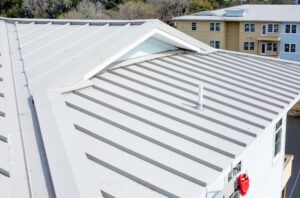
Enhancing Financial Institutions: The Case for Aluminum Metal Roofing

aluminum corrugated metal roofin


Financial institutions play a crucial role in our society, safeguarding our money and facilitating economic growth. Just as they prioritize security and stability in their financial operations, it’s equally important for banks to invest in the physical security and longevity of their buildings. Among the various aspects of building maintenance, roofing stands out as a critical component. In recent years, there has been a growing trend among banks to opt for aluminum metal roofing due to its numerous benefits. In this article, we’ll delve into why banks should choose aluminum metal roofing, exploring its advantages in terms of durability, sustainability, cost-effectiveness, and overall aesthetic appeal.

Durability and Longevity

Aluminum metal roofing is renowned for its exceptional durability and longevity. Unlike traditional roofing materials such as asphalt or wood, aluminum metal roofs have a much longer lifespan, often lasting 50 years or more with proper maintenance. For banks, this translates into significant cost savings over time, as they can avoid frequent repairs and replacements associated with other roofing materials. Furthermore, aluminum metal roofing is highly resistant to various environmental factors such as extreme weather conditions, corrosion, and fire, providing added security to bank buildings and their occupants.

Sustainability

In today’s environmentally conscious world, sustainability is a key consideration for businesses across industries, including banking. Aluminum metal roofing offers several eco-friendly advantages that align with banks’ sustainability goals. Firstly, aluminum is a recyclable material, which means that at the end of its lifespan, the roofing panels can be recycled rather than ending up in landfills. This reduces the environmental impact and promotes a circular economy. Additionally, aluminum metal roofing reflects solar radiation, helping to reduce energy consumption and lower cooling costs for bank buildings. By choosing aluminum metal roofing, banks can demonstrate their commitment to environmental responsibility while also reaping the financial benefits of reduced energy expenses.

Cost-Effectiveness

While the upfront cost of installing aluminum metal roofing may be higher than some other roofing materials, its long-term cost-effectiveness more than compensates for the initial investment. As mentioned earlier, aluminum metal roofs have an extended lifespan and require minimal maintenance, resulting in lower lifecycle costs compared to alternatives. Additionally, aluminum’s lightweight nature makes it easier and quicker to install, reducing labor costs and minimizing disruption to bank operations during the installation process. When considering the overall lifecycle cost and benefits, aluminum metal roofing emerges as a financially prudent choice for banks seeking to maximize value and minimize long-term expenses.

Aesthetic Appeal and Brand Image

Beyond practical considerations, the appearance of a bank’s building can significantly influence its brand image and customer perception. Aluminum metal roofing offers a sleek, modern aesthetic that can enhance the visual appeal of bank buildings, projecting an image of professionalism, reliability, and innovation. With various color and finish options available, banks can customize their roofing to align with their branding and architectural style, creating a distinctive and memorable presence in the community. Moreover, the clean lines and durability of aluminum metal roofing contribute to a well-maintained appearance, reinforcing trust and confidence among customers and stakeholders.

Conclusion

In conclusion, the decision to invest in aluminum metal roofing can yield numerous benefits for banks, ranging from durability and sustainability to cost-effectiveness and aesthetic appeal. By choosing aluminum, banks can ensure the long-term protection of their buildings, enhance their environmental credentials, optimize their financial resources, and strengthen their brand image. As guardians of financial assets and pillars of stability in society, banks have a responsibility to prioritize the security and longevity of their physical infrastructure. With aluminum metal roofing, they can achieve this goal while also demonstrating their commitment to sustainability and excellence. Therefore, it’s clear that aluminum metal roofing is not just a wise investment for banks but also a strategic decision that aligns with their values and objectives in today’s dynamic business landscape.

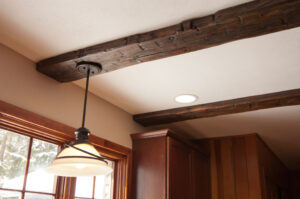
Embracing Sustainability and Style: The Case for Reclaimed Wood Ceiling Beams in Banks

reclaimed wood beams for ceiling


Banks are not just financial institutions; they are pillars of communities, fostering trust and stability. As these institutions evolve, they strive to create spaces that reflect their values while offering a welcoming environment for their clients. One way banks can achieve this is by incorporating reclaimed wood ceiling beams into their architectural design. Beyond aesthetics, the choice of reclaimed wood beams carries multiple benefits, from sustainability to creating a unique atmosphere that fosters trust and reliability.

The History and Charm of Reclaimed Wood

Reclaimed wood beams have a story to tell. Each piece carries the history of its previous life, adding character and charm to any space. These beams are salvaged from old buildings, barns, or warehouses, often showcasing natural weathering, knots, and unique grain patterns that cannot be replicated in new wood. When incorporated into a bank’s interior, these elements create an ambiance of heritage and stability, aligning perfectly with the industry’s principles of trust and longevity.

Sustainability at the Forefront

In an era where environmental consciousness is paramount, sustainability is not just a buzzword but a responsibility. Opting for reclaimed wood beams significantly reduces the demand for freshly harvested timber, thereby lessening the environmental impact associated with deforestation. By repurposing existing wood, banks actively contribute to conservation efforts and promote a circular economy, aligning their values with clients who prioritize ethical and sustainable business practices.

Establishing a Unique Identity

Banks often aim to stand out in a competitive market. Incorporating reclaimed wood ceiling beams provides a distinctive aesthetic that sets them apart. Clients entering the bank will immediately notice the warmth and authenticity exuded by these natural elements. This unique identity fosters a sense of belonging and trust among customers, signaling the bank’s commitment to tradition, stability, and reliability.

Psychological Impact on Clients and Employees

The environment in which banking transactions occur significantly impacts clients’ and employees’ experiences. Reclaimed wood beams create a warm and inviting atmosphere that can alleviate the stress often associated with financial matters. The use of natural materials has been linked to reducing anxiety and promoting a sense of calmness, ensuring a more pleasant banking experience for everyone involved.

Durability and Longevity

Apart from their aesthetic appeal, reclaimed wood beams offer exceptional durability. Having stood the test of time in their previous use, these beams often showcase unparalleled resilience. When installed correctly, they become a long-lasting architectural feature, requiring minimal maintenance while retaining their charm for years to come. This durability reflects the bank’s commitment to reliability and steadfastness, traits valued by clients seeking financial stability.

Cost-Effectiveness and Return on Investment

Contrary to common belief, integrating reclaimed wood beams can be a cost-effective choice. While initial costs may vary, the long-term benefits outweigh the investment. Reduced maintenance requirements and the timeless appeal of these beams contribute to a favorable return on investment. Additionally, the unique aesthetic created by reclaimed wood can attract clients seeking a personalized and authentic banking experience, potentially increasing foot traffic and customer retention.

Conclusion

Incorporating reclaimed wood ceiling beams into bank interiors is more than a design choice; it’s a statement—a statement of commitment to sustainability, authenticity, and reliability. These beams not only add visual appeal but also speak volumes about the bank’s values and dedication to creating an inviting space for clients and employees alike. As financial institutions continue to evolve, the adoption of reclaimed wood beams stands as a testament to their harmonious blend of tradition, sustainability, and innovation.

Embracing the timeless allure of reclaimed wood beams isn’t just about revamping interiors; it’s about building an enduring legacy, one that resonates with clients on a deeper level, fostering trust and forging lasting relationships.

Let us continue to build bridges between heritage and innovation, incorporating sustainable design choices that speak volumes about our values and aspirations for a better, more responsible future.