

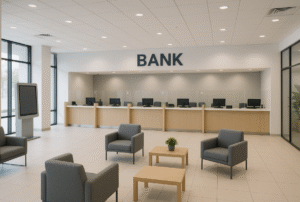
Why Energy Efficiency Should Matter to Banks
Banks are typically associated with financial investments, digital technology, and secure infrastructure—not building insulation. But in a rapidly evolving world driven by ESG standards, sustainability goals, and rising energy costs, banks must now look beyond balance sheets and focus on operational efficiencies within their physical spaces.
Blown-in insulation is one of the most cost-effective and environmentally responsible upgrades banks can make to their facilities. Whether you manage a small community credit union or a network of corporate branches, improving thermal performance directly affects overhead costs, environmental impact, and brand reputation.
This article explores why banks should invest in blown-in insulation, what benefits it delivers, and how this strategic move aligns with long-term sustainability and financial objectives. 💰🌍
What Is Blown-In Insulation? 🏗️
Blown-in insulation—also called loose-fill insulation—is made up of small particles of material such as fiberglass, cellulose, or mineral wool that are blown into walls, attics, or floors using special machinery. It fills crevices and irregular spaces more effectively than batts or rolls.
The most common types include:
-
Fiberglass blown-in insulation: Lightweight, mold-resistant, and fire-retardant.
-
Cellulose blown-in insulation: Made from recycled paper products, it’s a greener choice and effective at air sealing.
-
Mineral wool insulation: Known for fire resistance and soundproofing.
🔗 Learn more from the U.S. Department of Energy
The Case for Blown-In Insulation in Banking Facilities
1. Lower Operating Costs: Cut Energy Bills Year-Round 💸
Banks are notoriously energy-hungry buildings. From lighting and security systems to HVAC and server rooms, energy consumption can be significant. Blown-in insulation helps reduce the amount of energy required to heat or cool your buildings by maintaining indoor temperatures more effectively.
According to the EPA’s ENERGY STAR program, improving insulation in commercial buildings can reduce heating and cooling costs by up to 30%.
For banks with dozens or hundreds of branches, those savings compound quickly.
2. Enhanced Customer Comfort: Improve In-Branch Experience 😊
The comfort of your banking environment directly impacts customer satisfaction and retention. Nobody wants to fill out a mortgage application while sweating or shivering. Blown-in insulation improves:
-
Temperature consistency across floors and rooms
-
Noise reduction for a quieter, more professional atmosphere
-
Air quality, especially when using cellulose that naturally resists mold and pests
It contributes to a better overall in-branch experience—an important factor for banks competing in a digital age.
3. Achieve Sustainability Goals & ESG Standards 🌍
Environmental, Social, and Governance (ESG) initiatives are no longer optional. Investors, stakeholders, and consumers are demanding more transparency and commitment to sustainable business practices.
Installing blown-in insulation reduces:
-
Carbon footprint by lowering energy consumption
-
Waste through the use of recycled materials (especially cellulose)
-
Reliance on fossil fuels through more efficient heating and cooling
Banks that invest in energy-efficient retrofits position themselves as sustainability leaders in the financial sector. This can boost stock performance, increase investor confidence, and improve public trust.
🔗 More on ESG and sustainability in finance from MSCI
4. Federal and State Incentives: Turnkey ROI Opportunities 💼
Thanks to local, state, and federal incentives, upgrading insulation is more affordable than ever.
Many banks qualify for:
-
Federal tax credits for energy-efficient upgrades under Section 179D
-
State-specific rebates or grants
-
Utility company rebates for reduced energy consumption
For example, the Inflation Reduction Act of 2022 offers significant tax incentives for commercial buildings that meet or exceed ASHRAE energy efficiency standards. Blown-in insulation helps banks get there faster.
🔗 IRS Guidance on 179D Commercial Buildings Energy Efficiency Tax Deduction
5. Quick Installation = Minimal Downtime 🕒
Time is money—especially in banking. One of the biggest advantages of blown-in insulation is how quickly and cleanly it can be installed with minimal disruption to daily operations.
-
Retrofits can often be completed overnight or over weekends
-
No need for full demolition or lengthy construction closures
-
Ideal for attics, walls, or hard-to-reach spaces
Unlike foam or batt insulation, blown-in materials adapt to irregular cavities, making it perfect for older bank buildings that weren’t designed with energy efficiency in mind.
6. Future-Proofing Against Utility Price Volatility 🔌
Electricity and gas prices are unpredictable. As global energy markets fluctuate and regulatory pressures increase, your overhead becomes harder to forecast.
Blown-in insulation helps mitigate this volatility by:
-
Stabilizing HVAC loads, reducing demand
-
Decreasing dependence on fluctuating fuel sources
-
Protecting budgets and increasing cost predictability
For banks aiming to stabilize long-term operational costs, this is a practical, proactive step toward energy independence.
7. Risk Mitigation: Fire and Moisture Resistance 🔥💧
Many blown-in insulation materials (like fiberglass and mineral wool) are inherently:
-
Fire-resistant, adding passive safety protection
-
Moisture-resistant, helping prevent mold and mildew
-
Pest-deterrent, sealing off entry points for rodents and insects
In risk-sensitive sectors like banking, these features can help mitigate potential liabilities and insurance claims. A safer building = fewer surprises.
8. Improve Building Valuation and Lifespan 🏢
Insulation upgrades aren’t just operational; they’re capital improvements. That means:
-
Increased property value and appraisal score
-
Better leasing terms for bank-owned commercial real estate
-
Extended lifespan of HVAC systems (since they work less)
Well-insulated banks are more attractive to tenants, investors, and buyers alike. And depending on your location, it can also impact LEED Certification and other green-building scores.
🔗 Explore LEED guidelines here
9. Competitive Advantage: Show, Don’t Just Tell 💪
When banks talk about being “green” or “sustainable,” those claims need proof. Investing in visible, high-impact upgrades like blown-in insulation:
-
Demonstrates environmental commitment
-
Supports community trust, especially for local branches
-
Becomes a marketing asset—use in PR, investor decks, and signage
Imagine a teller window with signage that says, “This branch is insulated with 85% recycled cellulose to reduce carbon emissions by 22%.”
That’s real, tangible impact customers can see. 💬
10. Align with the Future of Green Banking 🏦➡️🌿
Green banking is more than a trend—it’s the future. According to Deloitte’s 2023 Banking Outlook, banks that adopt sustainable operations and policies are better positioned for growth, especially among Gen Z and Millennial customers.
Blown-in insulation fits right into this transition:
-
Cost-effective
-
Visible and verifiable
-
Quick ROI
-
Eligible for green financing options
By leading with action—not just messaging—banks can carve out a future-ready identity.
Conclusion: A Small Upgrade, A Big Statement ✅
Blown in insulation isn’t just about saving energy—it’s a strategic investment in operational efficiency, sustainability, customer experience, and long-term value.
For banks looking to improve their branches, reduce carbon output, meet ESG targets, and control costs without major disruptions, blown-in insulation is a low-hanging fruit with high ROI. 🍏
It’s time to treat your buildings like your balance sheet: optimize, insulate, and invest in long-term performance.
🔗 Want to dive deeper? Visit Energy.gov’s commercial insulation guide
Ready to make your branch more energy efficient and future-ready? Let blown-in insulation be your next smart investment. 🏦💡♻️
If you’d like help connecting with a certified commercial insulation installer or want a custom cost-benefit analysis for your bank, we’re here to help.